
How Michigan’s Freeze-Thaw Cycle Affects HVAC Systems
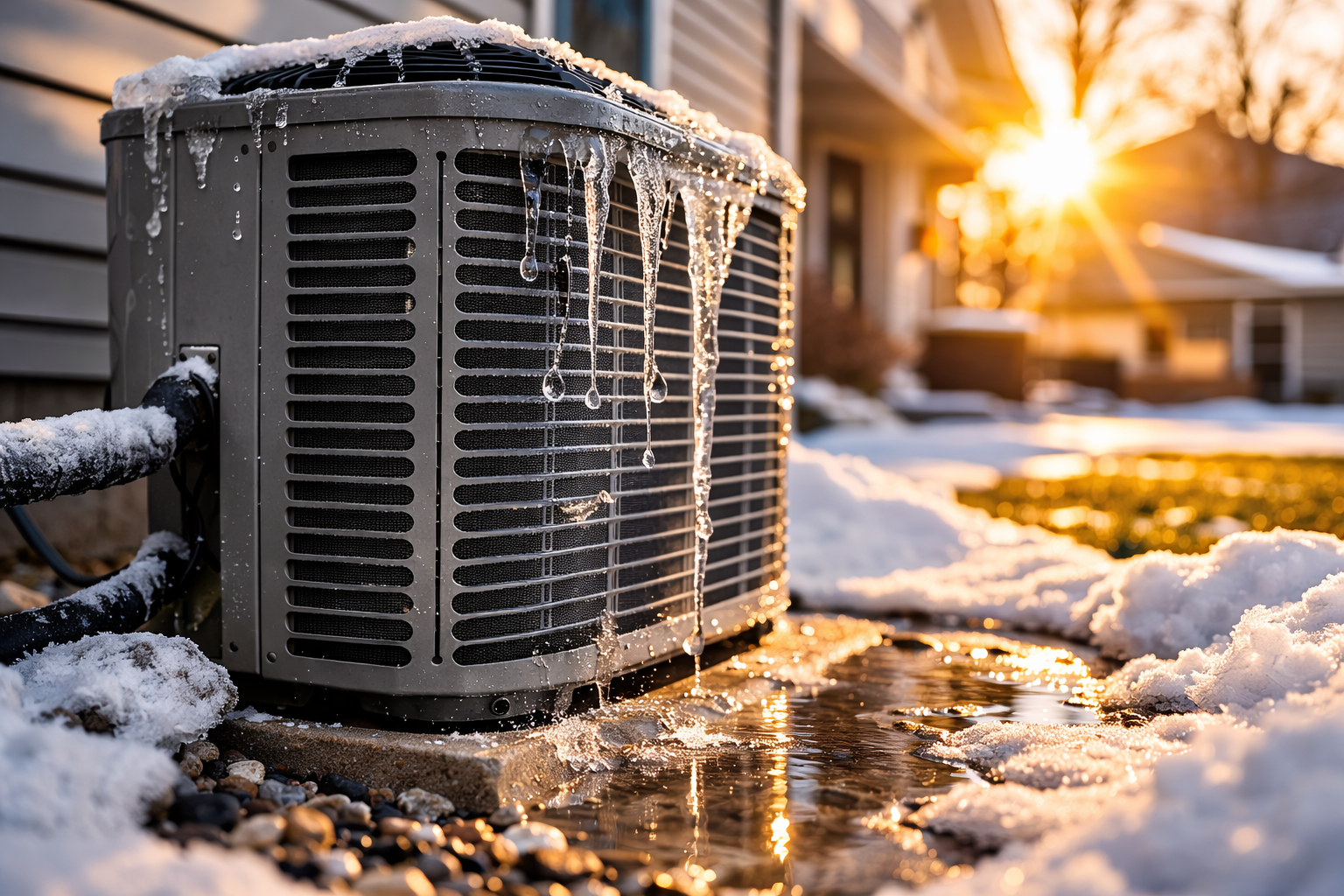
Michigan homeowners are no strangers to unpredictable weather. One day temperatures hover near freezing, and the next day warmer air moves in, melting snow and ice. This constant shift between freezing and thawing — known as the freeze-thaw cycle — is a defining feature of late winter and early spring across the state. While most people associate freeze-thaw cycles with potholes or foundation cracks, many do not realize how significantly these temperature swings can affect their HVAC systems.
Understanding how freeze-thaw cycles impact heating and cooling equipment can help homeowners protect their systems, avoid unexpected breakdowns, and improve overall efficiency as seasons change.
What Is the Freeze-Thaw Cycle
The freeze-thaw cycle occurs when temperatures repeatedly move above and below the freezing point. In Michigan, this can happen dozens of times between February and April. Snow and ice melt during warmer daytime temperatures and then refreeze overnight. This ongoing expansion and contraction can affect both outdoor and indoor HVAC components.
Because HVAC systems are designed to operate in stable conditions, repeated thermal stress can accelerate wear and create issues that may not become noticeable until later in the spring or summer.
Outdoor HVAC Equipment Faces the Greatest Impact
Outdoor units, including air conditioners and heat pumps, are especially vulnerable to freeze-thaw conditions. When snow and ice accumulate around the unit, melting water can seep into small openings and crevices. When temperatures drop again, that moisture refreezes and expands.
Over time, this expansion can cause damage to:
• Coil fins and protective housing
• Refrigerant line insulation
• Electrical connections and control components
• Mounting pads or supports
If an outdoor unit shifts due to frost heaving or soil movement, it may no longer sit level. A tilted unit can lead to improper drainage, increased vibration, and reduced system performance.
Heat Pumps Can Experience Defrost Cycle Strain
In Michigan’s transitional seasons, heat pumps may cycle frequently between heating and defrost modes. While defrost cycles are normal, excessive cycling during freeze-thaw conditions can put additional strain on system components.
This can result in:
• Higher energy consumption
• Increased compressor wear
• Shortened equipment lifespan
• Inconsistent indoor comfort
Homeowners may notice unusual sounds, longer run times, or fluctuating temperatures inside the home during these periods.
Moisture Intrusion Can Affect Furnace Components
Even though furnaces are typically located indoors, freeze-thaw cycles can still create indirect issues. Melting snow around a home’s exterior can lead to increased humidity or moisture infiltration in basements and mechanical rooms.
Excess moisture can contribute to:
• Corrosion of internal furnace components
• Electrical system malfunctions
• Premature wear on motors and burners
• Reduced combustion efficiency
In some cases, blocked intake or exhaust vents caused by ice buildup can restrict airflow and impact safe system operation.
Ductwork Expansion and Contraction
Temperature swings can also affect ductwork, particularly in unconditioned spaces like attics, crawl spaces, and garages. As metal duct materials expand and contract, small gaps or separations may develop at joints and connections.
These issues can lead to:
• Air leaks that reduce efficiency
• Uneven heating and cooling
• Increased dust and debris infiltration
• Higher energy costs over time
Addressing duct integrity early can prevent comfort issues during peak summer cooling months.
Drainage and Condensation Concerns
Freeze-thaw cycles can interfere with proper drainage in HVAC systems. Condensate lines, drainage pans, and exterior discharge points may freeze, leading to backups or water accumulation.
When temperatures rise again, sudden thawing can cause:
• Water damage near indoor units
• Mold or mildew growth
• System shutdowns due to safety switches
• Structural damage to surrounding materials
Ensuring proper drainage pathways remain clear is essential during Michigan’s seasonal transitions.
Soil Movement and Equipment Stability
Michigan’s freeze-thaw patterns can cause soil to expand and contract repeatedly. This movement, known as frost heave, can impact outdoor HVAC equipment that sits on concrete pads or ground-level supports.
If the ground shifts unevenly, the equipment may become misaligned. Even slight misalignment can affect:
• Refrigerant flow
• Fan motor performance
• Noise and vibration levels
• Long-term system reliability
Routine inspections can identify these issues before they lead to costly repairs.
How Homeowners Can Protect Their HVAC Systems
While freeze-thaw cycles are unavoidable in Michigan, homeowners can take steps to reduce potential damage and maintain system performance.
Some practical measures include:
• Clearing snow and ice away from outdoor units
• Ensuring proper drainage around the foundation
• Checking vents for blockages or ice buildup
• Scheduling seasonal HVAC inspections
• Replacing air filters after heavy winter use
• Inspecting ductwork for leaks or damage
Preventive maintenance is especially important during late winter and early spring, when systems are transitioning between heating and cooling demands.
The Importance of Spring HVAC Maintenance
A professional HVAC tune-up in early spring can help identify freeze-thaw related issues before summer temperatures arrive. Technicians can evaluate system components, check refrigerant levels, test electrical connections, and ensure equipment is operating safely and efficiently.
Spring maintenance often includes:
• Inspecting outdoor units for structural or coil damage
• Cleaning debris accumulated during winter
• Testing system startup and cooling performance
• Checking condensate drainage systems
• Evaluating ductwork and airflow
Addressing small concerns early can prevent larger, more expensive repairs later in the year.
Long-Term Efficiency and System Lifespan
Freeze-thaw cycles place additional stress on HVAC equipment compared to more stable climates. Without proper maintenance and monitoring, this stress can reduce system efficiency and shorten overall lifespan.
By understanding how Michigan’s climate impacts heating and cooling systems, homeowners can make informed decisions about maintenance, repairs, and eventual replacement. Investing in proactive care helps ensure consistent comfort, lower energy costs, and reliable performance throughout the year.
Michigan’s freeze-thaw cycle is a natural part of seasonal change, but its effects on HVAC systems are often overlooked. From moisture intrusion and soil movement to equipment strain and ductwork expansion, these temperature swings can create a variety of challenges.
Staying ahead of these issues with routine inspections and maintenance helps protect your HVAC investment and keeps your home comfortable as winter gives way to spring and summer.
If you live in Michigan, now is an ideal time to evaluate your system’s condition and prepare for the months ahead. A well-maintained HVAC system is better equipped to handle the demands of changing weather — and the unique climate conditions that define life in the Great Lakes region.